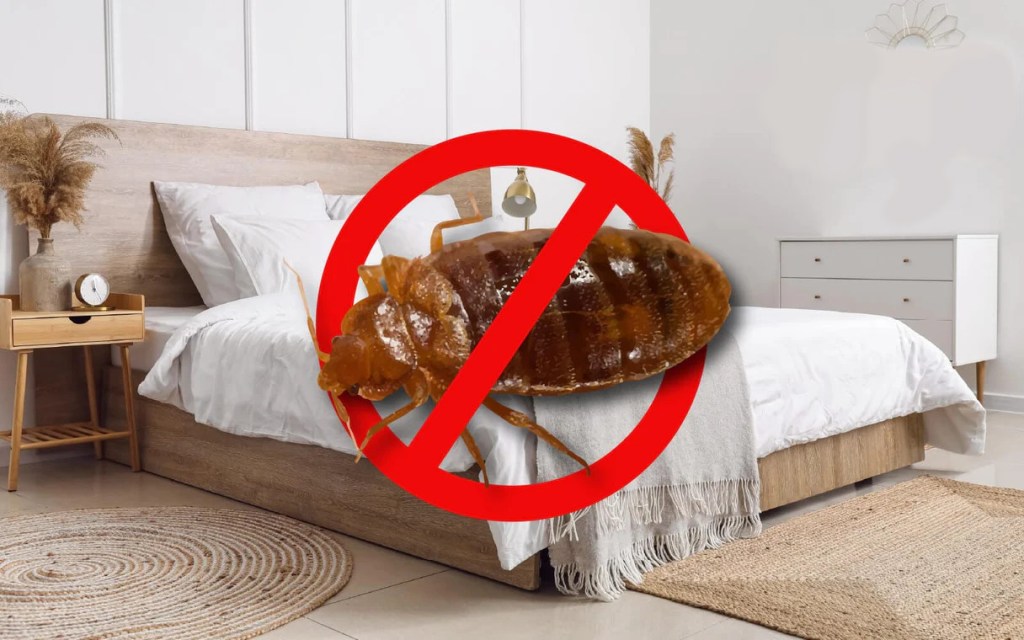
Keep Your Home Safe and Comfortable
Nobody wants to deal with bed bugs. These tiny, blood-sucking pests can quickly turn a peaceful home into a nightmare, causing sleepless nights, itchy bites, and a lot of stress. The best way to handle a bed bug infestation is to prevent it before it starts. By taking a few simple precautions and staying vigilant, you can avoid these unwanted guests in your home. Here are some essential tips to help you prevent bed bugs from making their way into your space.
1. Inspect Used Furniture Before Bringing It Inside
One of the most common ways bed bugs enter homes is through secondhand furniture, mattresses, or even clothing. If you’re buying or accepting used furniture, inspect it carefully for signs of bed bugs. Look for:
- Small reddish-brown bugs, about the size of an apple seed.
- Dark spots or stains, which could be blood or bed bug feces.
- Tiny, translucent shells (which are shed skins).
If you can’t check the furniture thoroughly before bringing it inside, it’s better to skip it. If you have already brought it in, treat it for bed bugs with heat or chemical treatments before placing it in your home.
2. Be Cautious When Traveling
Hotels and motels are common places where bed bugs spread, so it’s important to be extra cautious when staying overnight. Here’s how you can minimize your risk:
- Inspect the Room: Upon entering, check the bed and surrounding areas for any visible signs of bed bugs. Pull back the sheets, check the seams of the mattress, and look at the headboard and behind the furniture.
- Keep Luggage Off the Floor: Place your suitcase or bags on a luggage rack or in the bathroom, where bed bugs are less likely to hide. If you’re really concerned, seal your belongings in a plastic bag.
- Wash Clothes Immediately: When you return from a trip, immediately wash all clothes and dry them on high heat. This will kill any potential bed bugs you may have picked up along the way.
3. Seal Cracks and Crevices in Your Home
Bed bugs are experts at hiding in small spaces. They can slip into cracks and crevices in walls, floors, and around windows. Sealing these spaces can help keep them from entering your home.
- Inspect Walls, Baseboards, and Windows: Look for gaps or cracks where bed bugs could hide. Seal these with caulk or another suitable filler.
- Check Your Bed Frame and Furniture: Ensure that there are no cracks or gaps in your bed frame, nightstands, and furniture that could serve as hiding spots.
4. Use Bed Bug-Proof Mattress Encasements
Mattress encasements are specially designed to keep bed bugs from getting into your mattress and box spring, or from escaping if they’re already inside. These encasements are made of a durable, tightly woven material that zips completely around the mattress, trapping any existing bed bugs inside and preventing new ones from entering.
When selecting a mattress encasement, make sure it’s labeled “bed bug-proof,” as these are specifically designed to resist bed bugs.
5. Regularly Inspect Your Home
Regularly checking for signs of bed bugs can help you catch an infestation early before it becomes a major problem. Inspect your home—especially your bed and furniture—every few weeks for any signs of bed bugs:
- Bites: If you or anyone in your family starts noticing itchy red bites, it could be an indication of bed bugs.
- Fecal Stains and Blood Spots: Check your mattress and sheets for any tiny dark spots that may be bed bug feces or blood stains from crushed bugs.
- Shed Skin: Look for discarded exoskeletons or shells, which are a sure sign of bed bug activity.
If you spot any signs of bed bugs, take immediate action to treat the problem before it spreads.
6. Declutter Your Home
Cluttered spaces provide more hiding places for bed bugs. Reducing clutter—especially in areas like closets, under beds, and in storage areas—will help limit the number of hiding spots available to these pests. Keeping your home tidy and organized makes it easier to spot potential bed bugs and address them quickly.
7. Be Careful with Shared Laundry Facilities
Laundry rooms are another place where bed bugs can easily spread, particularly in shared or public laundromats. Here’s how to minimize the risk:
- Use Plastic Bags: When transporting your laundry, use plastic bags to seal your items and prevent bed bugs from crawling into your clothes.
- Heat Dry Your Clothes: Bed bugs can’t survive high temperatures, so always dry your clothes on the hottest setting. The heat will kill any bugs or eggs that may be hiding in your clothing.
8. Maintain a Vigilant Routine
Bed bugs aren’t always easy to spot, especially in the early stages of an infestation. Stay proactive by maintaining a routine of checking your home for any potential signs. This includes inspecting:
- The edges of mattresses and bed frames.
- Behind baseboards and under furniture.
- Your clothing, especially if you’ve recently traveled or stayed in shared accommodations.
By staying vigilant and catching any potential problems early, you can avoid a full-blown infestation.
9. Get Professional Help if Needed
If you’re unsure about how to prevent or deal with bed bugs, consider consulting a pest control professional. They can help with inspections, provide guidance on bed bug prevention, and assist with treatment if you have an infestation. Pest control experts have the tools and knowledge to deal with bed bugs in a safe and effective manner.
Final Thoughts
Bed bug prevention is all about being proactive and vigilant. By following these tips, you can greatly reduce your chances of experiencing a bed bug infestation. Regular inspections, cautious habits while traveling, and simple home maintenance practices go a long way in keeping your home free of these pesky invaders.
Have you dealt with bed bugs before, or do you have any other prevention tips? Share your experiences in the comments!


Leave a comment